Design Awakens Dormant Assets: How Can China's Old Hotels Achieve a Rebirth with Annual Revenue of T
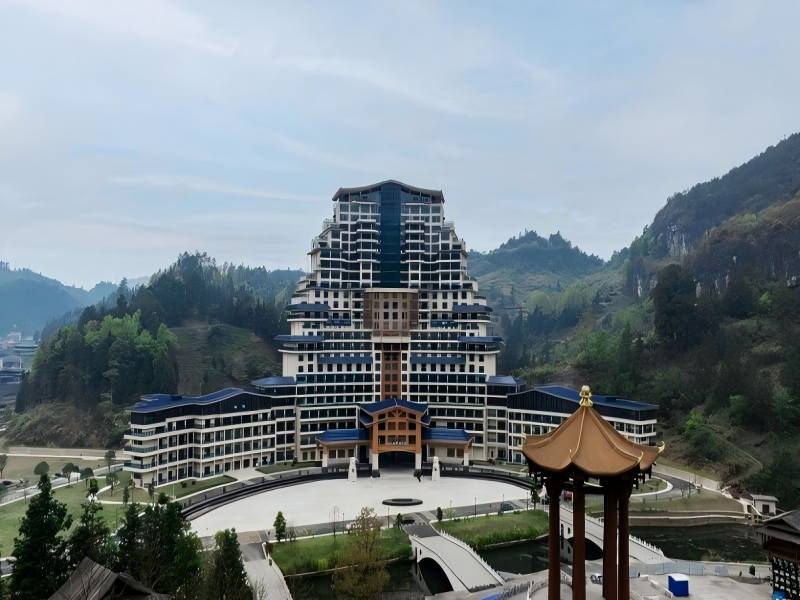
From a 2.56 Billion Yuan Debt 'Vanity Project' to a 30 Million Yuan Annual Revenue Cultural Landmark: How China's Aging Properties Are Undergoing a Glorious Transformation Through Design Intelligence.
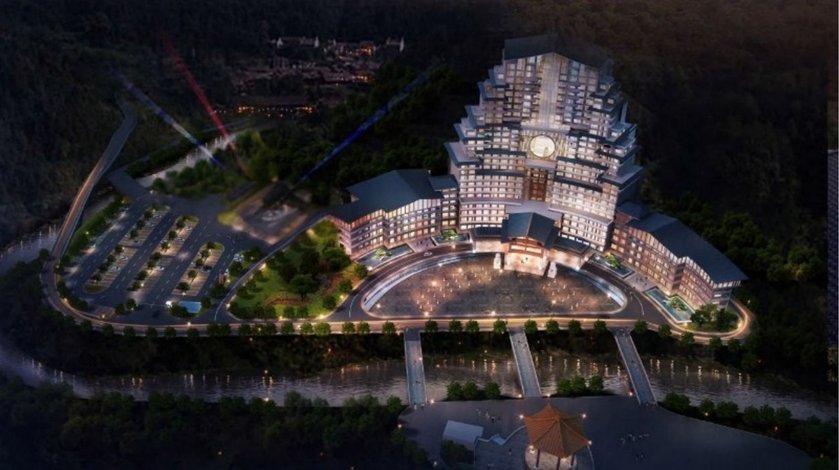
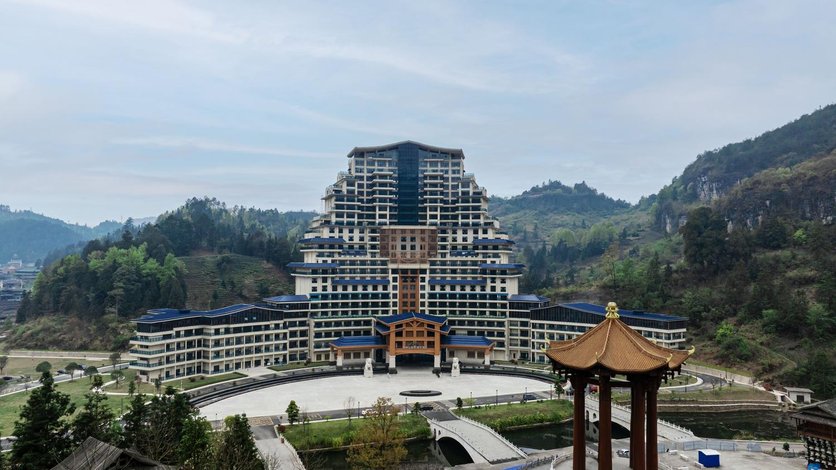
In Dushan County, Guizhou, the once-abandoned "World's First Shuisi Lou" – a structure left derelict due to a broken funding chain – now stands aglow with light. Since its official opening in May 2025, this building, dubbed the "strongest unfinished building" by netizens, has been reborn under its new identity as the Zilinshan Howard Johnson Villa Hotel, having already welcomed over 20,000 visitors.
In today's fiercely competitive hotel industry saturated with existing stock, such miraculous transformations are far from isolated cases.
01 The Path to Transformation: The Rebirth of Aging Hotels
China's hotel industry has fully entered the era of stock property revitalization. According to industry statistics, in 2024, over 60% of newly opened hotel projects were renovations of existing properties. Under the dual pressures of consumption downgrading and intensified competition in the budget hotel sector, the industry faces a common challenge: how to maximize value with minimal investment.
The renovation of aging properties presents three major challenges:Limited budgets、Aging structures、Cultural disconnection
The traditional approach of "demolish and rebuild" is no longer sustainable in today's market. Design firms must now seek new strategies—preserving historical memory while integrating modern functionality, and creating premium value while controlling costs.
02 Benchmark Case: The Magnificent Transformation of the "Most Notorious Unfinished Building"
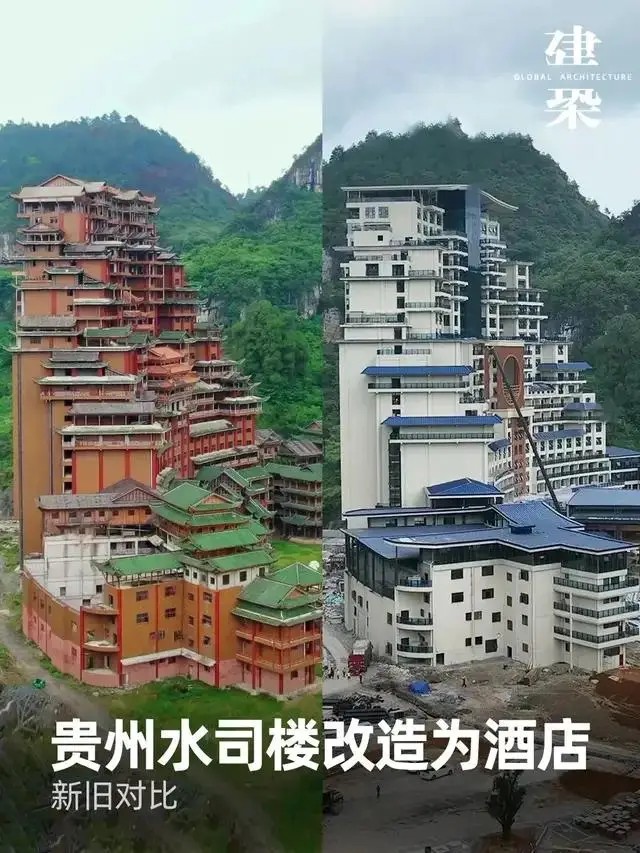
The story of the Shuisi Building is hailed as a miracle in China's renovation history. Launched in 2016, this gigantic structure, which integrates cultural elements of the Shui, Bouyei, and Miao ethnic groups, was full of ambition. However, it was halted in 2018 due to a broken capital chain.This 99.9-meter-tall all-wooden structure was reduced to the "most notorious unfinished building in history," with debts amounting to 256 million yuan.
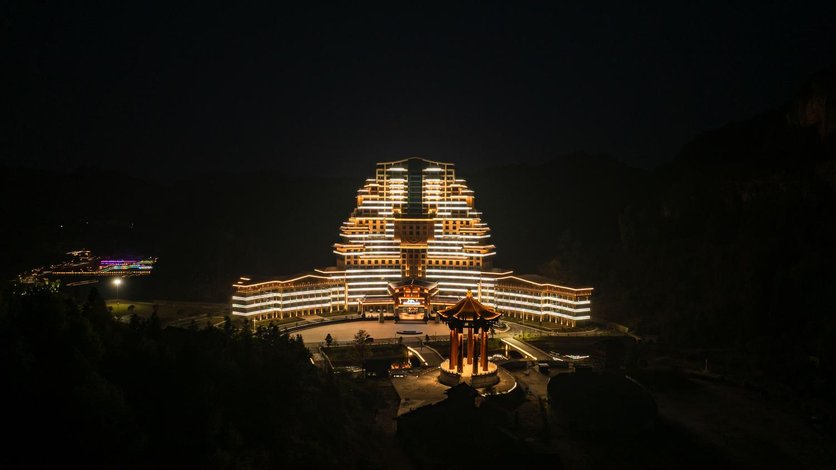
A Turning Point Arrived in 2023.Dushan County introduced Gemei Group to carry out market-oriented transformation, with the total investment adjusted to 364.5 million yuan, of which approximately 150 million yuan was invested in the renovation project.The renovation team adopted three core strategies:
Structural Reconstruction
- Demolish the wooden external structures with fire safety hazards, replacing them with a reinforced concrete frame and glass curtain walls, which passed the fire safety inspection in one go.
Cultural Preservation
- Retain core cultural symbols such as the "tunkou" (a traditional Chinese architectural decorative element) wood carvings in the lobby and colored glaze pottery; equip guest rooms with Miao ethnic group's batik bed linens.
Functional Upgrading
- Convert the original exhibition space into 365 luxury guest rooms; add modern facilities including a constant-temperature swimming pool and a VR experience hall.After renovation, the hotel's construction area has expanded to 74,600 square meters, becoming a core landmark of the Jingxin Valley Scenic Area.The secret to its success lies in balancing three dimensions: the preservation of historical memories, the integration of modern functions, and the reconstruction of commercial value.
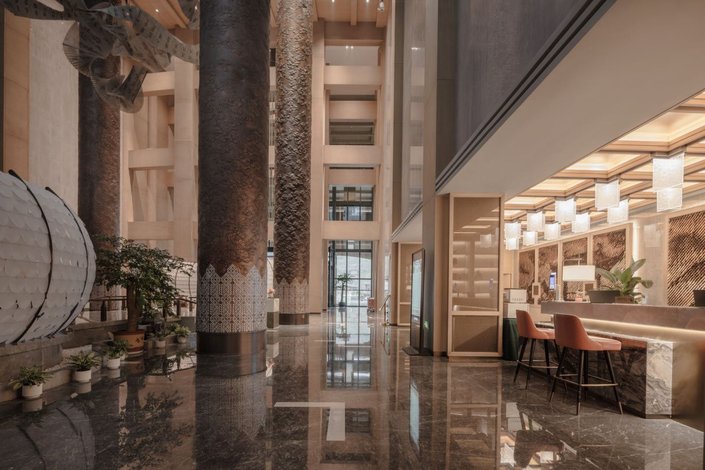
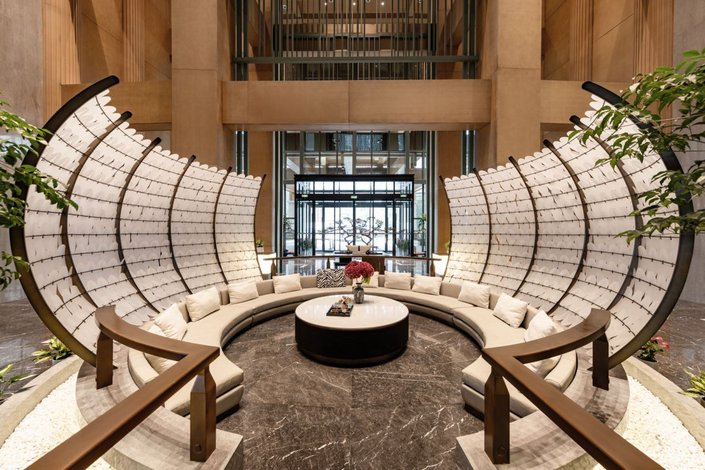
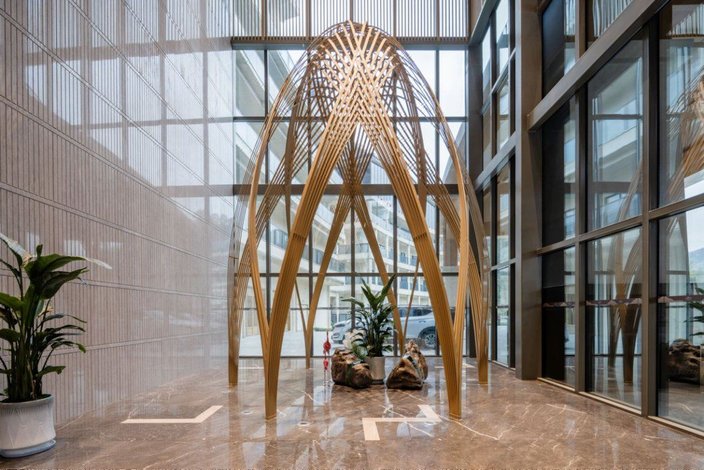
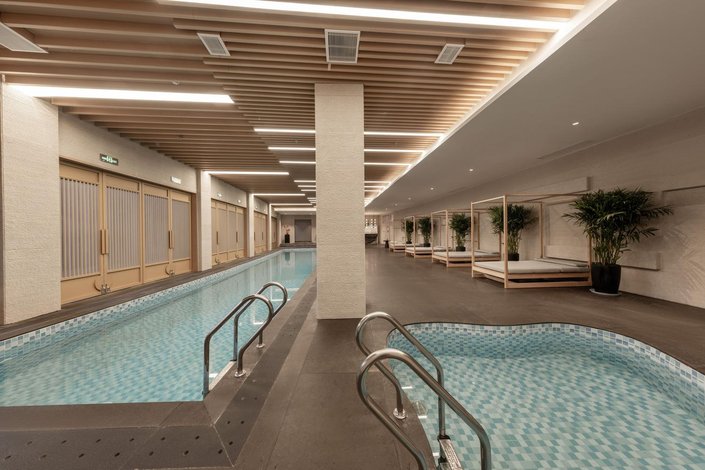
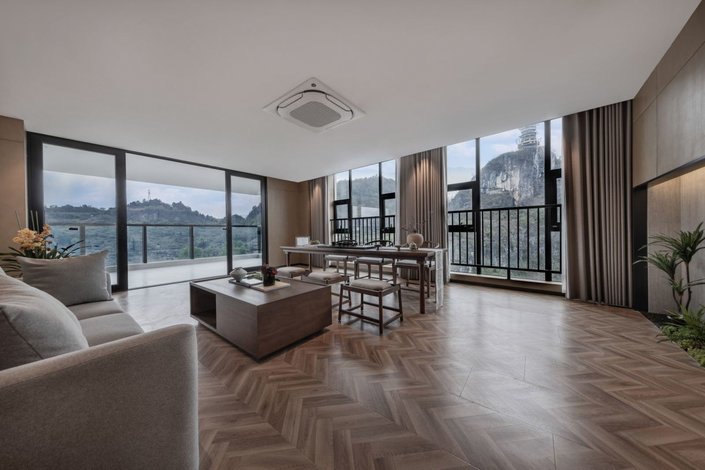
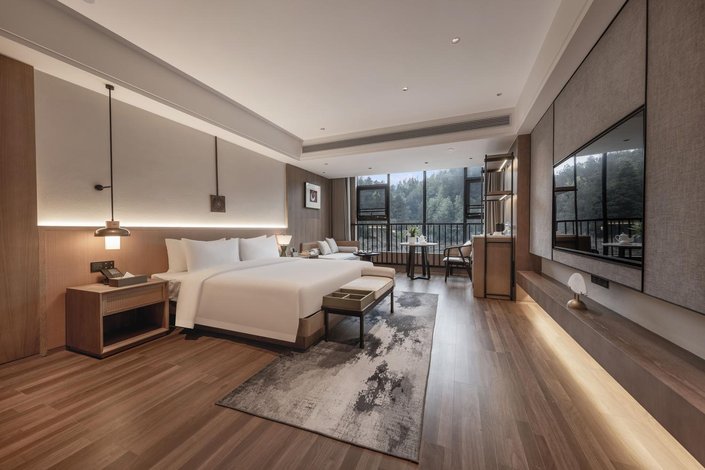
The market response has been surprisingly positive: nearly 20,000 tourists were received during the trial operation period, among whom 60% came from the Pearl River Delta region. With a pricing strategy of 300 yuan per night (only 60% of the price of similar hotels) and the transportation advantage brought by the opening of the Guiyang-Nanning High-Speed Railway, it quickly became a "cost-effective choice" for tourists from the Guangdong-Hong Kong-Macao Greater Bay Area.
03 Small Investment, High Return: The Golden Model of Budget-Friendly Renovation
Different from the heavy-asset renovation of the Shuisi Building, budget hotel chains have explored another path — a precise renewal model with a cost of 30,000 to 50,000 yuan per room.
The core of this model lies in the renovation philosophy of "achieving great results with minimal effort".Boman Hotel Beijing Jinsong Shuangjing Subway Station Branch is a typical case. With an investment of approximately 50,000 yuan per room, the hotel achieved an investment payback period of less than one year.Its success stems from three major innovations:
Residual Value Utilization
- Retain usable infrastructure and only update walls, soft furnishings, and key equipment.
Experience Focus
- Prioritize investment in areas sensitive to consumers (bedding, showers, WiFi).
Digital Empowerment
- Introduce self-check-in systems to reduce labor costs.
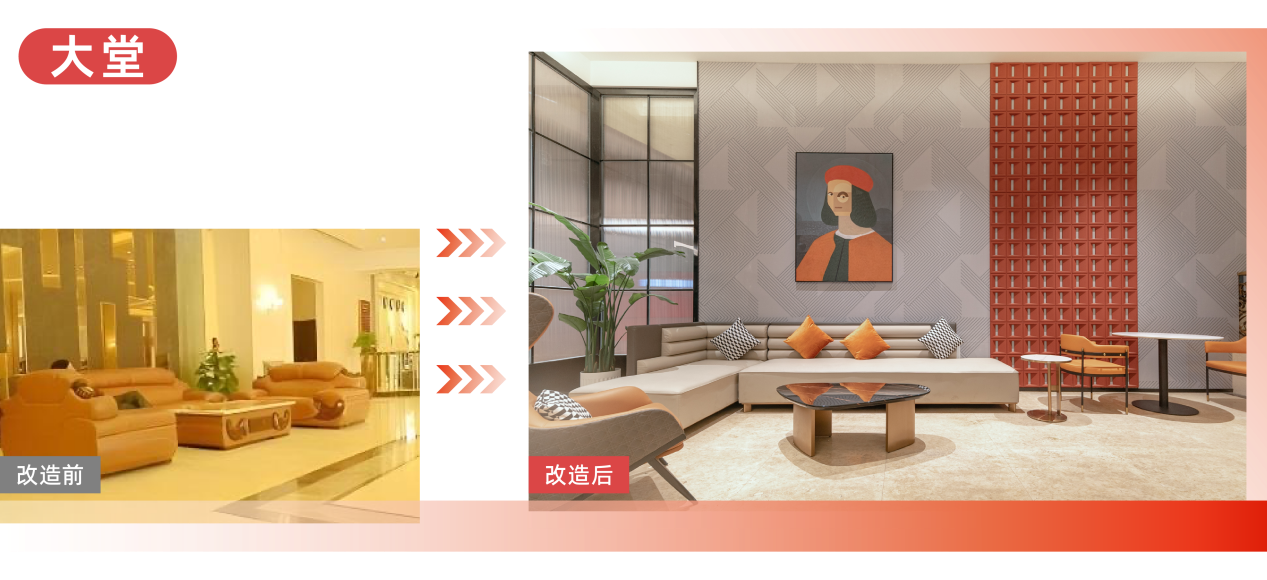
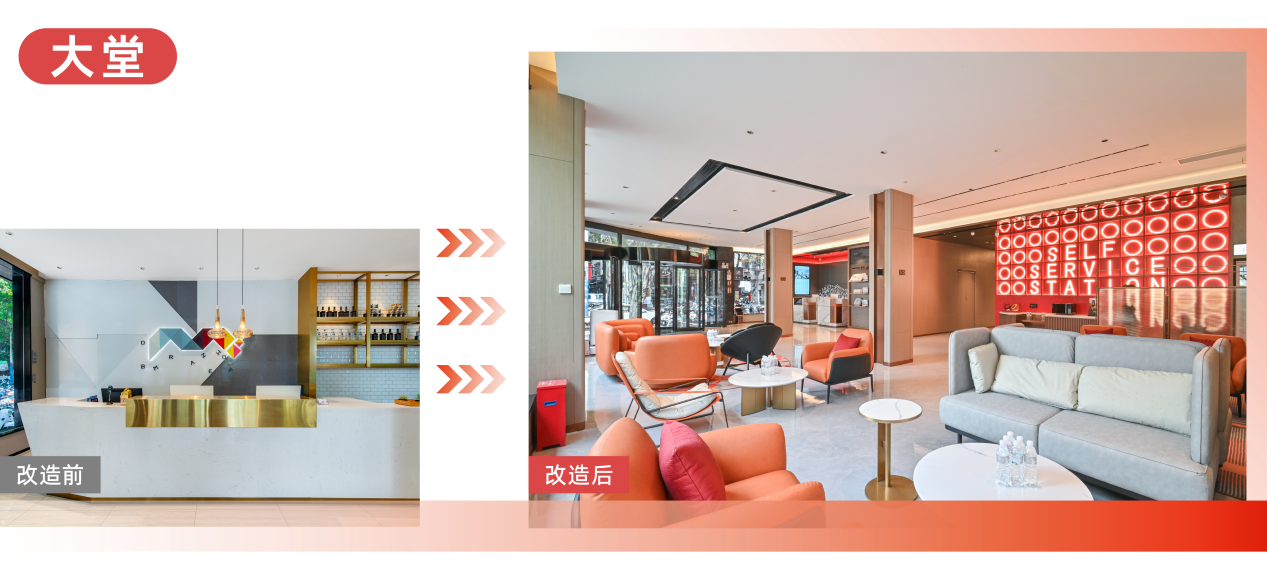
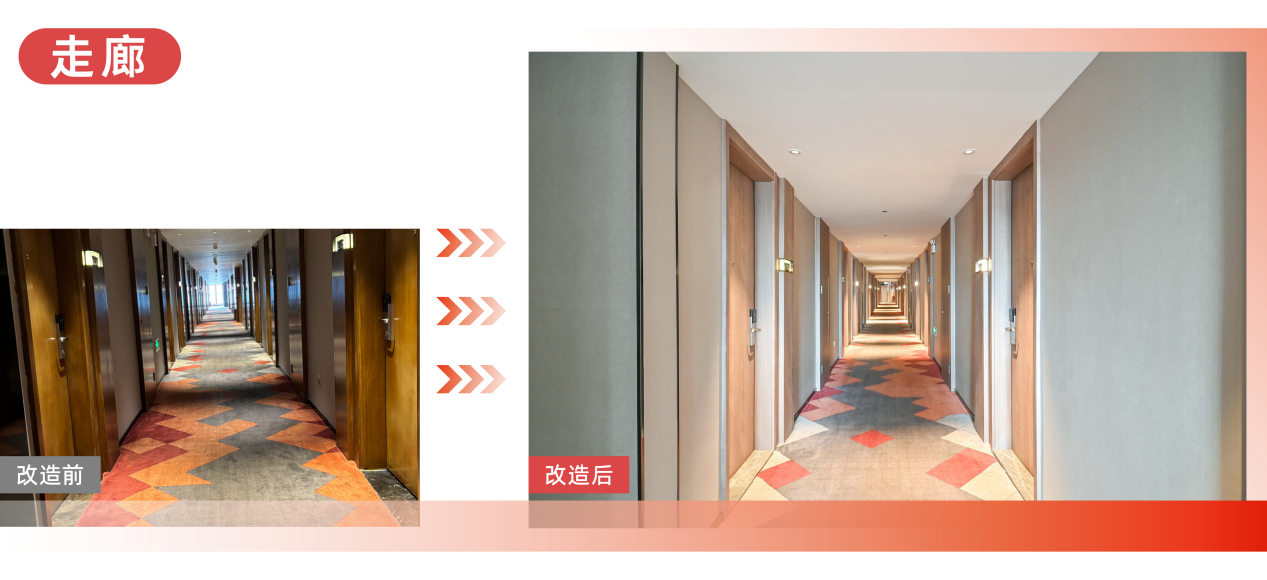
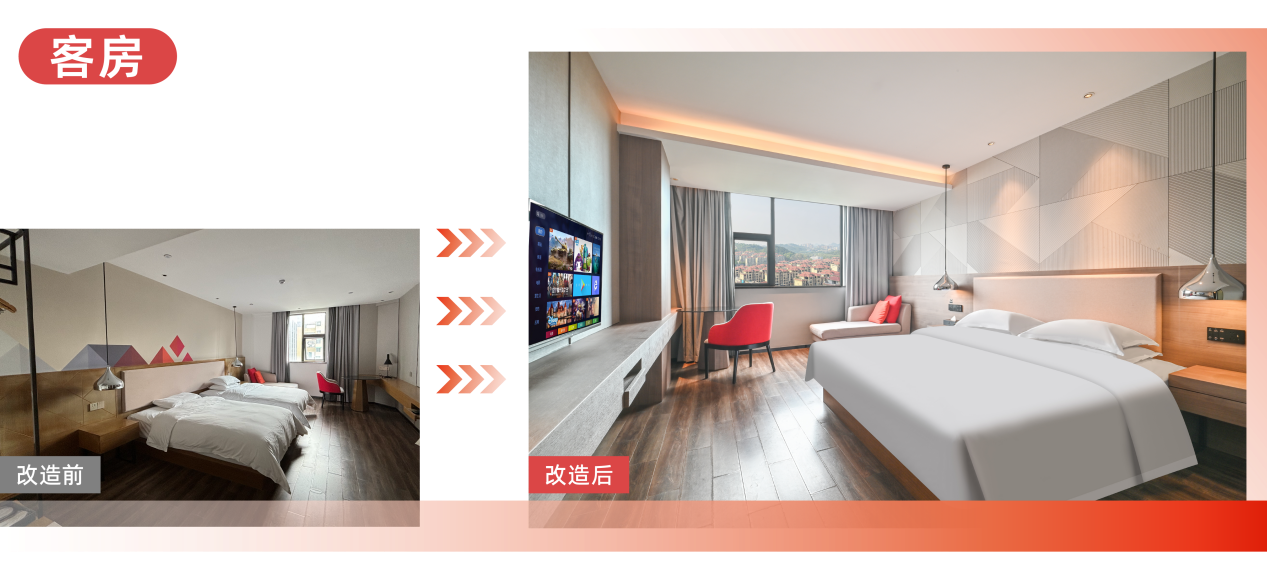
Hanting Hotel Creates a Model Store via "Modular Renovation" on Hefei Huaihe Road Pedestrian Street.Hanting Hotel has built a model store on Hefei Huaihe Road Pedestrian Street through "modular renovation". After the renovation, the store maintained a 97% occupancy rate for five consecutive months, with RevPAR (Revenue Per Available Room) stabilizing at 181 yuan. The secret lies in optimizing the staff-to-room ratio to 0.10 — merely 7 employees are needed for 70 guest rooms.
04 Future Trends: Winning Principles in the Inventory Era
With the opening of the Guiyang-Nanning High-Speed Railway shortening the travel time from Guiyang to Dushan County to 45 minutes, the passenger flow of the Shuisi Building Hotel is expected to grow continuously. However, the challenges it faces also represent common issues in the industry: How to shift from being a "social media check-in spot" to encouraging "repeat consumption"? How to balance cultural heritage preservation and commercial development?
In July 2025, Dushan County announced an investment of 500 million yuan to construct the "Shuisi Building Phase II", adding a hot spring resort and intangible cultural heritage (ICH) workshops.This reveals the advanced direction of existing property renovation — upgrading from single-property renovation to ecological construction.
▼项目概况
项目名称:紫林山豪利维拉酒店
项目类型:奢华度假酒店
项目地点:贵州省独山县
设计时间:2024年(改造工程启动)
开业时间:2025年5月1日(正式启幕)
建筑面积:70,000㎡
设计面积:48,000㎡
室内设计单位:DDA丹诺国际设计集团/深圳市骆丹建筑装饰设计有限公司
总包单位:贵州鑫影文旅投资有限公司(项目备案主体)
专项合作:深圳洪涛集团股份有限公司(原水司楼施工方)
联系方式:+86 189 2377 2759/+86 139 0297 7941